Ultracare provides washroom deep cleaning in Nairobi and across Kenya for offices, schools, hotels, restaurants, malls, hospitals and factories whose toilets and urinals need more than a daily mop and wipe. Over time, limescale, urine scale and grime build up inside toilet bowls, urinals, traps, sinks and grout, causing stubborn stains and persistent smells that ordinary cleaning cannot shift. Our deep cleaning washroom treatment descales and sanitises every fitting, kills odour-causing bacteria and restores tiles and fittings, as a one-off restoration or on a regular schedule.
Why washrooms in Kenya need deep cleaning
Many areas of Kenya have hard water, which leaves white and brown mineral deposits on taps, basins, toilet bowls and urinals. Mixed with urine, these deposits form urine scale, a rough crust that traps bacteria and gives off the ammonia smell many busy washrooms are known for. Water interruptions, low flushing pressure and heavy daily use in offices, schools and public buildings make the problem worse.
Heat at the coast and in Kisumu speeds up bacterial growth and odours. Floor drains and urinal traps can dry out or clog, letting smells rise back into the room. Regular cleaning keeps the surface looking tidy, but scale and bacteria keep building underneath until a deep clean removes them.
The longer scale is left, the harder it becomes and the more it narrows pipes and traps. Treating it early protects your fittings, keeps water flowing freely and saves the cost of replacing toilets, urinals and taps that have been ruined by build-up.
A deep clean is also a good reset before a new tenant moves in, before an inspection, ahead of a busy season or when a new cleaning contractor takes over and needs a clean starting point.
Signs your washroom needs a deep clean
- A lingering urine or ammonia smell, even after daily cleaning
- Brown or yellow staining inside toilet bowls and urinals
- Rough, crusty scale around the waterline and under rims
- Slow-draining urinals, sinks or floor drains
- Dark, stained grout and discoloured tiles
- Chrome taps and flush valves dulled by white mineral deposits
- Complaints from staff, guests or customers about washroom smells
What the treatment covers
- Toilets: descaling inside bowls, under rims and around the waterline, plus seats, hinges, cisterns and flush handles
- Urinals: removing urine scale from bowls, outlets and traps, and cleaning partitions and walls nearby
- Sinks and taps: descaling basins, taps and waste outlets, and polishing chrome
- Drains: clearing grime from floor drains and urinal waste to reduce smells
- Tiles and grout: scrubbing wall and floor tiles and lifting staining from grout lines
- Partitions, mirrors and fittings: detailed cleaning of cubicle doors, dispensers, mirrors and handles
How Ultracare deep cleans your washrooms
Survey and quote
We inspect your washrooms, check the scale build-up, odour sources and fittings, and agree when the work can be done. You receive a clear quote and a plan for any washroom closures.
Preparation
Washrooms are closed and signed off before work starts. Our team sets out wet floor signs, removes bins and consumables where needed and protects surrounding areas.
Descaling and sanitising
Our technicians apply professional descalers and sanitisers suited to each surface, give them time to work, then scrub and rinse. Specialist tools reach under rims, inside traps and along grout lines. Products are chosen to treat scale and bacteria without damaging chrome, ceramics or tiles.
Restoration and checks
Fittings are rinsed, polished and checked. We report any leaks, broken seals or damaged fittings we find so you can arrange repairs.
Ongoing schedule and reporting
Many clients follow a one-off deep clean with a regular schedule, such as monthly or quarterly, depending on footfall. Business clients receive a service report after each visit.
What to expect on the day
We work at times that suit you, often early morning, evening or weekend, to keep disruption low. Each washroom is closed while it is treated, and we can work on one block at a time so others stay open. Floors are left clean and dry where possible, and we tell you when each washroom can reopen.
Please do not try to remove scale by mixing strong cleaning products. Mixing bleach with acid-based cleaners releases dangerous fumes, especially in small washrooms with poor ventilation.
Keeping washrooms clean after a deep clean
- Clean toilets, urinals and basins daily with a suitable cleaner and a dedicated brush
- Pour water into rarely used floor drains every few days so traps do not dry out
- Fix dripping taps and running cisterns, as constant water flow speeds up scale
- Keep washrooms ventilated with working vents or windows
- Use urinal and toilet sanitisers to slow scale build-up between deep cleans
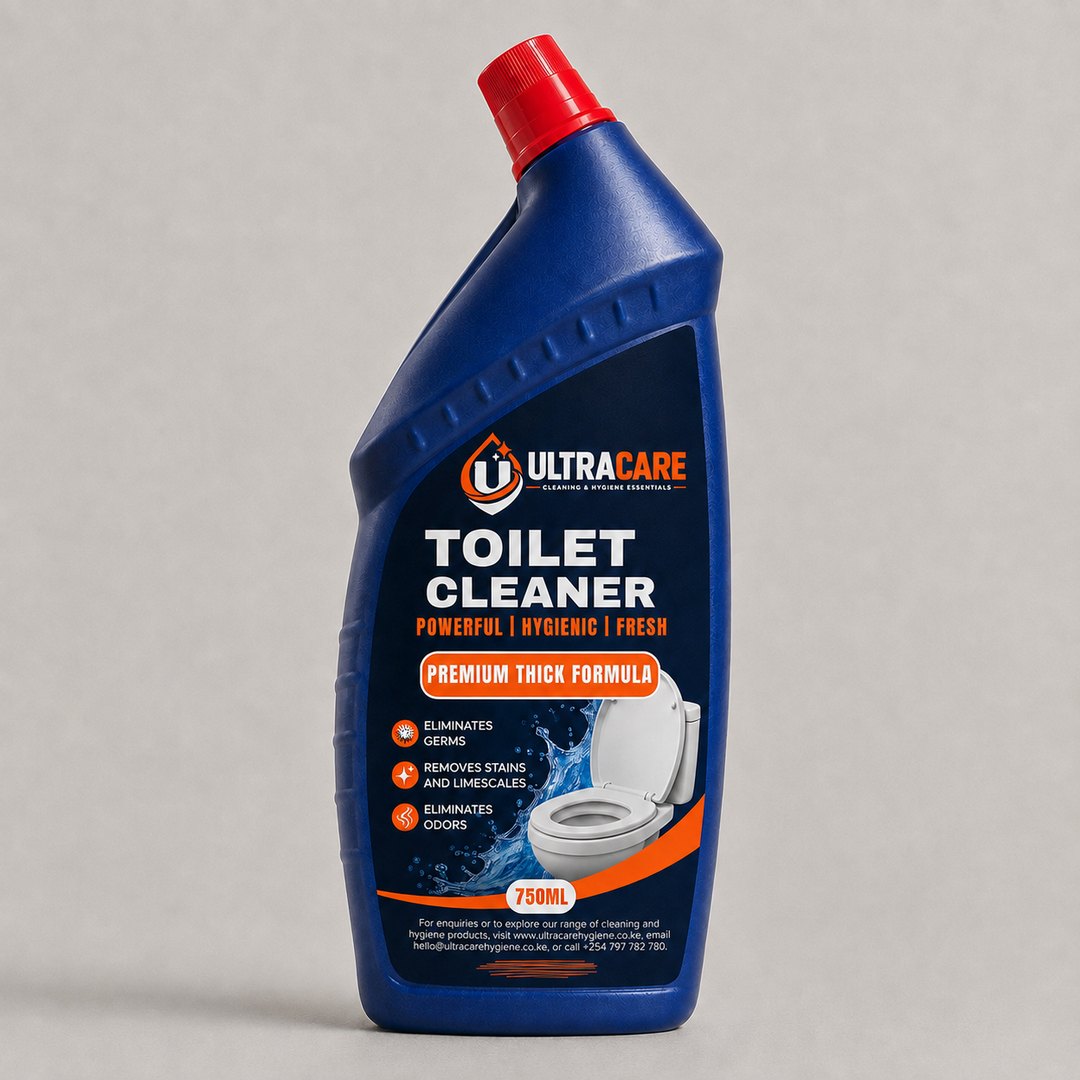
Our toilet and urinal hygiene units help slow scale and odour between deep cleans, and our managed washroom hygiene services keep units stocked and serviced.
Who we serve
We provide washroom deep cleaning in Nairobi and across Kenya for schools and colleges, restaurants and bars, offices, hotels, malls, hospitals, factories and residential estates with shared facilities.
Where we work and how to book
We serve Nairobi, Mombasa, Kisumu, Nakuru, Eldoret and other towns across Kenya. Book a free survey and we will inspect your washrooms and give you a clear quote for a one-off or scheduled deep clean.
What's included
- Removes limescale and urine scale
- Kills odour-causing bacteria
- Restores fittings and tiles
- One-off or scheduled
Related guides
Frequently asked questions
What is urine scale and why does it smell?
Urine scale forms when minerals in hard water combine with urine and harden into a rough crust inside toilets, urinals and traps. The crust traps bacteria that break down urine and release ammonia, which causes the strong smell. Daily cleaning cannot remove it. A professional descaling treatment breaks down the scale and sanitises the surface underneath.
How long will our washrooms be closed?
It depends on the number of fittings and how much scale has built up. We usually work one washroom or block at a time so others stay open, and we schedule work for early mornings, evenings or weekends where possible. After the survey we give you a clear timeline for each washroom.
Will descaling damage our chrome taps or tiles?
Our technicians choose descalers and sanitisers suited to each surface and follow the correct contact times, so scale is removed without harming chrome, ceramics or tiles. If we see fittings that are already worn, cracked or damaged, we point them out before work starts, so you know what to expect from the result.
How often should we book a washroom deep clean?
Busy washrooms in schools, malls and offices often benefit from a deep clean every month or quarter, while quieter washrooms may need it less often. Hard water and heavy use speed up scale. After the first deep clean we recommend a schedule based on what we found and how your washrooms are used.
Products for this job