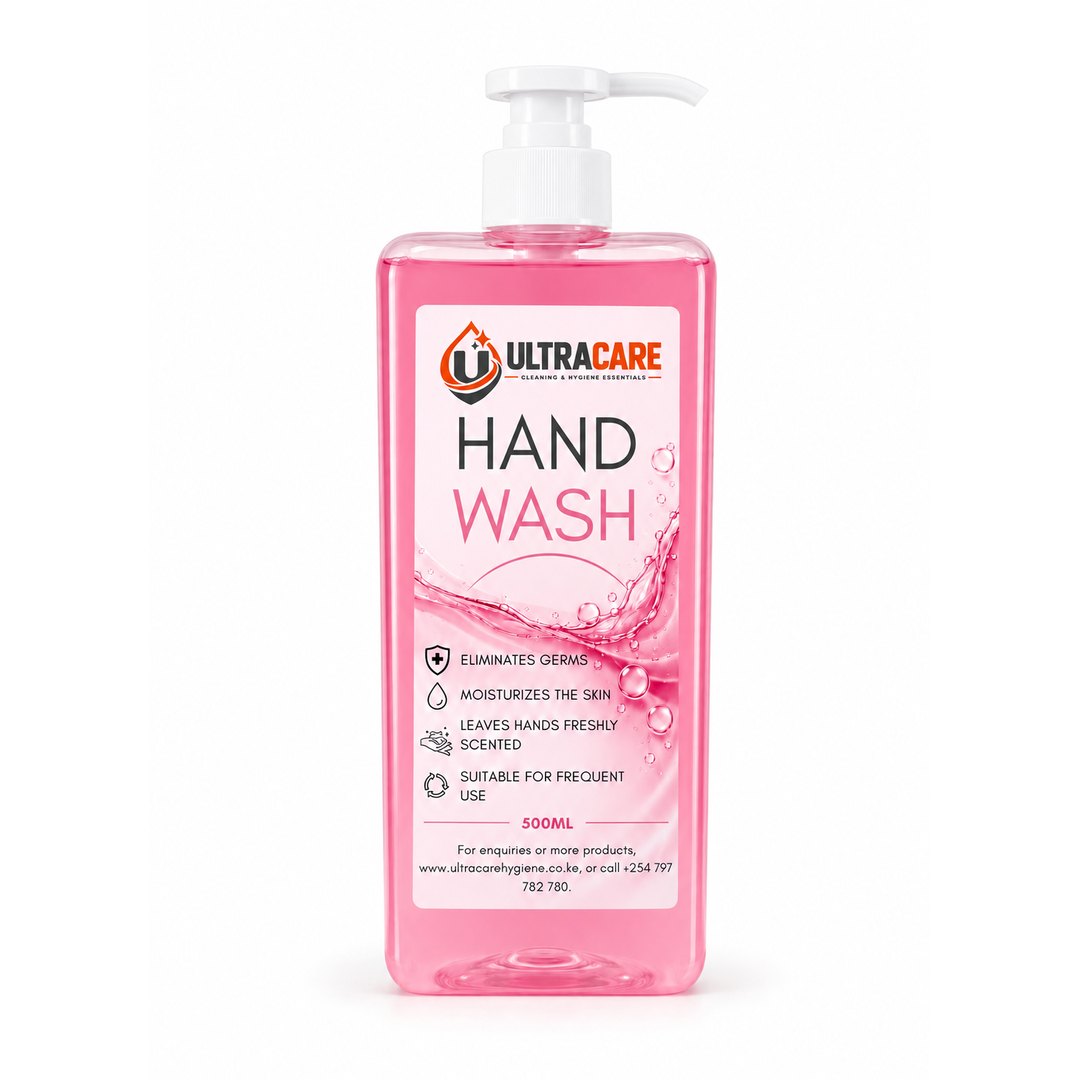
Ultracare provides hand hygiene solutions in Nairobi and across Kenya for offices, schools, hospitals, clinics, hotels, restaurants, food factories, malls and public buildings. We supply manual and touch-free soap dispensers, liquid and foam soap, hand sanitiser stations and regular refills, so the people using your premises can always wash and sanitise their hands. Units can be rented on a service contract or bought outright, and our team keeps them stocked on a schedule that suits your footfall.
Why hand hygiene matters in Kenya
Clean hands are one of the simplest ways to stop germs spreading. In busy Kenyan workplaces, schools, hospitals and food businesses, hundreds of people may share the same washrooms, door handles and counters every day. When soap runs out or dispensers break, people skip handwashing, and coughs, colds and stomach bugs pass from person to person.
Food businesses face added pressure from customers and auditors who expect handwashing stations at every key point. Schools with dormitories and dining halls need reliable soap for large numbers of pupils. Hospitals and clinics need sanitiser at entrances, wards and consultation rooms. Even small offices notice the difference when hand hygiene is easy and always available.
Water supply interruptions are common in many towns, and they make handwashing harder. Placing sanitiser stations alongside sinks gives people a dependable option when taps run dry, and refilled, working dispensers show visitors that you take their health seriously.
Hand hygiene also supports the rest of your cleaning. Disinfected surfaces stay cleaner for longer when the people touching them have washed or sanitised their hands, so dispensers in the right places make every cleaning round go further.
What our hand hygiene service includes
Manual and touch-free dispensers
We supply wall-mounted soap and sanitiser dispensers in manual push-button and touch-free sensor styles. Touch-free units reduce contact with surfaces, which suits hospitals, food areas and busy washrooms. Manual units are simple, robust and practical for many offices and schools.
Liquid and foam soap
Liquid soap is a familiar choice for most washrooms. Foam soap spreads easily, rinses quickly and helps refills last longer. We recommend the right option for each washroom, kitchen or handwashing point.
Hand sanitiser stations
For entrances, receptions, lifts, wards, classrooms and dining halls, we install wall-mounted sanitiser dispensers or free-standing sanitiser stations. They are ideal where there is no sink nearby.
Refill schedules
Our technicians visit on an agreed schedule to refill soap and sanitiser, check that units work and replace any faulty parts. Business clients receive a service record for each visit.
Signs you need a hand hygiene service
- Soap dispensers often run empty or break
- Staff or visitors complain about missing soap or sanitiser
- Mismatched dispensers and bottles make refilling messy
- Food handlers lack convenient handwashing points
- Auditors or inspectors have raised hand hygiene in a report
- You want sanitiser at entrances and common areas without the hassle of buying stock
How Ultracare sets up your hand hygiene solution
- Free survey: we visit your premises, map washrooms, kitchens, entrances and work areas, and note how many people use each point.
- Proposal and clear quote: you receive a list of recommended units and placements, with rental and purchase options.
- Installation: our team fits dispensers and stations neatly at a comfortable height, including accessible positions where needed.
- Refills and servicing: technicians refill, clean and check units on schedule, adjusting frequency as your needs change.
What to expect on installation and service days
Before installation we agree the exact position of each unit with your team, so dispensers sit where people naturally pause: beside basins, at kitchen entrances, near lifts and at reception desks. Our technicians fit units quickly and tidily, usually during quiet periods to avoid disruption. We drill and fix dispensers securely, clean up afterwards and show your team how to report a fault. On service visits, we top up soap and sanitiser, wipe dispensers clean and test sensors on touch-free units.
Encouraging good hand hygiene every day
- Place soap and sanitiser where people need it: washrooms, kitchens, entrances and dining areas
- Put up simple handwashing reminders near sinks
- Provide paper towels or hand dryers so people dry their hands properly
- Ask cleaners to check and report empty or broken units during each round
- Remind food handlers to wash hands before work, after breaks and after handling raw food
- Teach children in schools to wash for long enough, covering palms, backs of hands and between fingers
- Keep spare sanitiser near entrances during water interruptions, when sinks may not be usable
For a full washroom setup including bins, air care and consumables, see our managed washroom hygiene services. For a wider clean of shared surfaces, our disinfection and sanitising service can help.
Who we serve
Our hand hygiene solutions in Nairobi and across Kenya support offices, schools and colleges, hotels, restaurants, malls, factories and healthcare facilities, as well as food and beverage processing plants where handwashing is part of daily hygiene routines.
Where we work and how to request a quote
We serve Nairobi, Mombasa, Kisumu, Nakuru, Eldoret, Thika and other towns across Kenya. Learn about our services in Kisumu, then book a free survey for a clear rental or purchase quote for your dispensers and refills.
Service contract
Units installed, serviced and refilled on a schedule. One monthly fee.
Buy outright
Buy the units once and order refills when you need them.
What's included
- Manual and touch-free dispensers
- Liquid and foam soap
- Hand sanitiser stations
- Refill schedules
Related guides
- Pest Control in the Food Industry: A Guide for Kenyan ProcessorsFood and beverage plants carry the highest pest risk of any sector. Learn how integrated pest management, trend records, rodent stations, fly control, commodity and silo fumigation, deep cleaning and staff washrooms keep a Kenyan plant audit-ready.Read the guide
- Supermarket Pest Control and Hygiene in Kenya: A Practical GuideSupermarkets and food shops take in goods all day, and pests can arrive with them. Learn how to keep stored product insects, rodents, cockroaches, flies and birds out, and how to keep records, washrooms and floors audit-ready.Read the guide
- Hospital Disinfection and Pest Control in Kenya: A Clinic GuideClinics, hospitals and wellness centres need spotless surfaces, well-kept washrooms and pest control that patients never notice. This guide explains how to plan disinfection, hygiene and pest control around your facility.Read the guide
Frequently asked questions
Should we choose touch-free or manual dispensers?
Touch-free dispensers reduce contact with surfaces, which makes them a good choice for hospitals, clinics, food areas and very busy washrooms. Manual push-button dispensers are simple, robust and suit many offices and schools. During the free survey we look at how each area is used and recommend the right type for each point.
What is the difference between liquid and foam soap?
Liquid soap is the familiar option and suits most washrooms. Foam soap comes out ready to lather, spreads easily over the hands and rinses quickly, and each refill can go further. We can supply either, and we recommend the option that suits your users, your sinks and how often your dispensers are refilled.
Can we rent dispensers instead of buying them?
Yes. You can rent soap and sanitiser dispensers on a service contract that includes installation, refills and servicing, or buy the units outright and order refills when needed. Renting means faulty units are repaired or replaced as part of the service. Our quote shows both options clearly after the survey.
How often will you refill our soap and sanitiser?
Refill frequency depends on how many people use each dispenser. A busy school or mall may need more frequent visits than a small office. We set a schedule after the survey and adjust it if units are running low between visits or if your footfall changes. Each service visit is recorded.
Products for this job